Unlocking the Mysteries Behind Daesoon Jinrihoe’s Powerful Symbols and Their Spiritual Meaning

webmaster

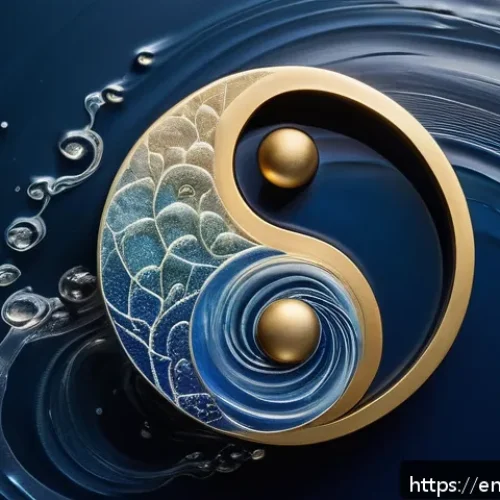
대순진리회의 주요 상징물 - A serene and harmonious spiritual scene featuring a balanced yin-yang symbol composed of contrasting...

In today’s fast-paced world, exploring spiritual symbols can offer surprising insights into deeper meanings that resonate across cultures. Daesoon Jinrihoe’s powerful symbols have recently caught attention for their profound spiritual significance and unique approach to enlightenment.

대순진리회의 주요 상징물 관련 이미지 1

As more people seek meaningful connections beyond the surface, understanding these symbols opens a path to inner harmony and awakening. Join me as we unravel the mysteries behind Daesoon Jinrihoe’s emblematic imagery, revealing how these ancient signs continue to inspire modern spiritual journeys.

Whether you’re curious or deeply invested in spiritual growth, this exploration promises fresh perspectives worth discovering.

The Symbolism of Balance and Harmony in Spiritual Practice

Interpreting Duality Through Symbolic Forms

The concept of balance often emerges in spiritual symbolism, representing the harmonious coexistence of opposing forces. In many traditions, this duality is depicted through shapes or colors that contrast yet complement each other, mirroring the interplay between light and darkness, male and female, or action and stillness.

When I first encountered these representations, it struck me how deeply they resonate with everyday experiences—reminding us that peace arises not from eliminating conflict but from integrating opposing energies in a dynamic equilibrium.

This approach encourages a mindset that values flexibility and acceptance rather than rigid judgment.

How Harmony Shapes Inner Transformation

Harmony in spiritual symbols is more than an aesthetic choice; it serves as a roadmap for personal growth. Through meditative focus on these images, practitioners often report feeling a calming effect that helps realign scattered thoughts and emotions.

I personally noticed that engaging with such symbols during times of stress brought a tangible sense of centeredness, as if the image itself was inviting me to slow down and reconnect with my core values.

This subtle influence underlines the power of visual cues in fostering mental clarity and emotional balance on the path to enlightenment.

Practical Applications of Symbolic Balance

Understanding symbolic balance can transform daily habits and decisions. For instance, recognizing the need for equilibrium might encourage setting boundaries to prevent burnout or inspire moments of reflection before reacting impulsively.

Many spiritual communities incorporate these symbols into rituals or environments to reinforce a balanced state of being. From my experience, placing such imagery in personal spaces creates a gentle reminder to maintain composure and cultivate compassion, both inwardly and outwardly, thus nurturing a sustainable spiritual practice.

Advertisement

Embodying Renewal and Growth Through Sacred Imagery

The Cycle of Transformation in Spiritual Symbols

Symbols that emphasize renewal often draw from natural cycles—seasons changing, the rise and fall of tides, or the blooming and fading of flowers. These motifs serve as metaphors for human growth, illustrating that transformation is continuous and necessary.

When I reflected on these images, I realized they offer comfort during difficult transitions, reinforcing the idea that endings naturally lead to new beginnings.

This perspective shifts how we cope with challenges, framing them as essential steps within a larger process rather than isolated setbacks.

Personal Stories of Awakening Inspired by Renewal Symbols

Many practitioners share accounts of how focusing on renewal imagery sparked moments of insight or motivation. In my own journey, certain symbols helped me break free from limiting patterns by reminding me that change is not only possible but inevitable.

These experiences often lead to a renewed sense of purpose and openness to growth. The emotional resonance of such symbols can be surprisingly profound, acting as catalysts for shifts in consciousness that ripple through daily life.

Integrating Renewal Symbols into Daily Practices

Incorporating renewal symbols into routines can deepen spiritual engagement. This might involve using symbolic objects during meditation, journaling reflections inspired by these images, or creating art that expresses themes of growth and rebirth.

From what I’ve observed, these practices help sustain momentum in personal development by keeping the intention of transformation alive and visible. The tangible presence of renewal symbols anchors abstract aspirations in concrete, actionable ways.

Advertisement

Unity and Connection as Pathways to Enlightenment

Exploring Interconnectedness Through Symbolic Language

Many spiritual traditions emphasize unity as the foundation of enlightenment, using symbols that depict interconnectedness among all beings and elements.

These visual languages convey the message that separateness is an illusion and that true awakening involves recognizing our shared essence. Encountering such imagery reminded me how often everyday life obscures this truth, yet these symbols serve as gentle nudges back to awareness of our collective existence, fostering empathy and compassion.

Community and Collective Energy in Symbolic Contexts

Symbols of unity often inspire communal practices, highlighting the role of shared energy in spiritual progress. I noticed that participating in group ceremonies or discussions centered around these symbols created a palpable sense of belonging and support.

This collective dimension enhances individual journeys by reinforcing that enlightenment is not a solitary pursuit but a shared experience enriched by connection.

The interplay between personal insight and community engagement is a powerful dynamic within spiritual growth.

Applying Unity Concepts Beyond Spiritual Circles

The principles embodied in unity symbols extend to broader social contexts, encouraging inclusive attitudes and cooperative behaviors. Reflecting on these ideas has influenced how I approach interpersonal relationships and conflict resolution, promoting dialogue and understanding over division.

The symbolism thus acts as a bridge between spiritual ideals and practical living, reminding us that the path to enlightenment weaves through everyday interactions as much as through meditation or study.

Advertisement

Embracing Light and Wisdom in Visual Symbolism

The Role of Light as a Metaphor in Spiritual Symbols

Light frequently appears in spiritual imagery as a representation of wisdom, clarity, and divine presence. It symbolizes the illumination of the mind and spirit, guiding seekers through darkness and confusion.

When I first engaged deeply with these symbols, I was struck by how they evoke a sense of hope and direction, much like a lighthouse for a ship navigating stormy seas.

This metaphorical use of light underscores the aspirational nature of spiritual paths, where knowledge and insight dispel ignorance and fear.

Experiencing Insight Through Symbolic Illumination

Many practitioners report moments of clarity triggered by focusing on light-based symbols. Personally, I found that meditating on these images helped dissolve mental clutter, allowing intuitive understanding to surface more readily.

This effect highlights the practical utility of symbolic light as a tool for sharpening awareness and fostering deeper comprehension of complex spiritual concepts.

It’s fascinating how a simple image can unlock profound internal shifts.

Integrating Light Symbols in Learning and Teaching

Light symbolism also plays a significant role in spiritual education, often used to signify the transmission of knowledge and awakening. In my experience, incorporating such imagery into learning environments enhances engagement and inspiration, encouraging seekers to pursue wisdom with enthusiasm.

Whether through visual art, written materials, or ritual objects, these symbols create an atmosphere conducive to inquiry and growth, reinforcing the transformative power of enlightened understanding.

Advertisement

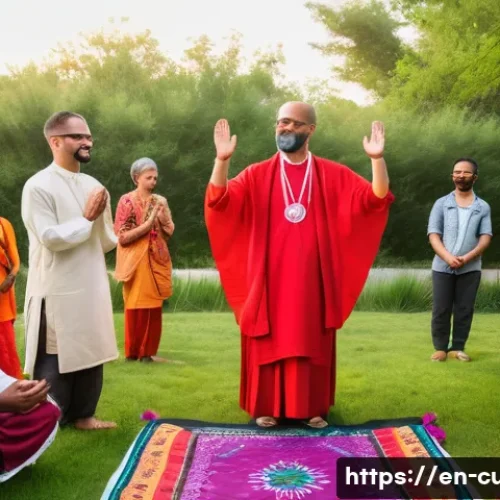
대순진리회의 주요 상징물 관련 이미지 2

The Influence of Sacred Geometry in Spiritual Expression

Understanding the Language of Shapes and Patterns

Sacred geometry employs precise shapes and patterns to convey spiritual truths, reflecting the inherent order and symmetry of the universe. These geometric forms serve as visual metaphors for concepts such as unity, infinity, and the divine blueprint underlying existence.

When I explored these patterns, I found them mesmerizing, with their intricate designs inviting prolonged contemplation. This engagement often leads to a heightened sense of connection with cosmic principles and an appreciation for the harmony embedded in nature.

The Meditative Power of Geometric Symbols

Focusing on geometric symbols during meditation can induce states of calm and heightened awareness. From personal experience, the repetitive and balanced nature of these patterns helps quiet the mind, facilitating entry into deeper meditative states.

This practice reveals how geometry functions not just as art but as a spiritual tool that bridges the material and metaphysical worlds, supporting inner stillness and insight.

Practical Uses of Sacred Geometry in Daily Life

Sacred geometry can be incorporated into daily living through design choices in personal spaces, jewelry, or clothing, subtly influencing mood and mindset.

I’ve noticed that surrounding myself with these forms enhances a sense of order and tranquility, which positively impacts productivity and emotional well-being.

This practical integration highlights how spiritual symbolism can permeate everyday environments, enriching life with layers of meaning and intention.

Advertisement

Charting Key Spiritual Symbol Meanings

Symbolic Theme Spiritual Significance Practical Impact
Balance and Harmony Integration of opposing forces; dynamic equilibrium Encourages flexibility, emotional regulation, and acceptance
Renewal and Growth Continuous transformation; cycles of life and rebirth Supports resilience, motivation, and openness to change
Unity and Connection Interconnectedness of all beings; collective awakening Fosters empathy, community engagement, and inclusiveness
Light and Wisdom Illumination of mind and spirit; divine guidance Enhances clarity, insight, and spiritual learning
Sacred Geometry Order of the cosmos; divine blueprint Promotes meditation, harmony, and appreciation of universal patterns
Advertisement

Symbolic Colors and Their Spiritual Resonance

The Psychological Impact of Color in Spiritual Symbols

Colors play a vital role in conveying spiritual messages, each hue carrying distinct emotional and energetic qualities. For example, blues often evoke calmness and introspection, while reds might symbolize vitality and passion.

When I paid closer attention to the color choices in spiritual imagery, I realized how they subtly influence mood and intention during practice. These associations are not merely aesthetic but deeply rooted in cultural and psychological frameworks, enriching the symbolic experience.

How Color Enhances Meditative Focus

Using color intentionally during meditation can deepen concentration and emotional attunement. I experimented with focusing on different colors and found that certain shades helped me access specific states—green fostered healing and balance, while gold inspired feelings of divinity and abundance.

This intentional use of color serves as a practical tool to support varied spiritual goals, demonstrating the multifaceted nature of symbolism.

Incorporating Color Symbolism into Daily Rituals

Many spiritual practitioners integrate colors into rituals, attire, or sacred spaces to align with desired energies. From my observations, this practice adds a layer of personalization and meaning, making the ritual experience more immersive and impactful.

Whether it’s lighting candles, wearing symbolic colors, or decorating altars, color becomes a living language that communicates and enhances spiritual intentions.

Advertisement

Movement and Flow Within Spiritual Symbolism

Expressing Energy Through Dynamic Shapes

Movement in spiritual symbols often conveys life force, growth, and transformation. Curved lines, spirals, and waves represent fluidity and evolution, contrasting with static geometric shapes.

Encountering these dynamic forms brought to mind how life itself is never still—always shifting and unfolding. This realization helped me embrace change as an integral part of the spiritual journey rather than something to resist or fear.

Experiencing Flow States Via Symbolic Engagement

Engaging with symbols that embody movement can facilitate flow states, where awareness and action merge seamlessly. I noticed that focusing on spirals or flowing patterns during meditation enhanced my ability to enter these immersive states, characterized by heightened creativity and presence.

This connection between symbolic movement and psychological flow underscores the practical benefits of integrating dynamic imagery into spiritual practice.

Incorporating Movement Symbols Into Everyday Life

Movement symbolism encourages adaptability and openness in daily life. Applying these principles can mean embracing change with curiosity or allowing emotions to ebb and flow without judgment.

I found that keeping visual reminders of fluidity nearby helped me maintain a flexible mindset, which improved my resilience and interpersonal relationships.

This practical aspect highlights how ancient symbols continue to offer valuable guidance for contemporary living.

Advertisement

In Conclusion

Spiritual symbols carry profound meanings that guide us toward inner balance, growth, and connection. Through personal experience, I’ve found that engaging with these symbols nurtures clarity, resilience, and compassion in everyday life. Embracing their messages encourages a deeper awareness of ourselves and the world around us, enriching our spiritual journey in meaningful ways.

Advertisement

Helpful Information to Keep in Mind

1. Recognizing the interplay of opposing forces helps cultivate emotional flexibility and acceptance in daily challenges.
2. Renewal symbols remind us that change is a natural and essential part of personal transformation.
3. Unity-based imagery strengthens community bonds and fosters empathy beyond spiritual settings.
4. Light symbols serve as powerful tools for enhancing insight, clarity, and motivation in learning environments.
5. Incorporating sacred geometry and color symbolism into routines can deepen meditation and support emotional well-being.

Key Takeaways

Understanding spiritual symbolism offers practical benefits such as improved emotional regulation, enhanced focus, and stronger interpersonal connections. These symbols act as bridges between abstract spiritual concepts and tangible daily experiences, providing guidance for maintaining harmony, embracing change, and fostering collective growth. Integrating their lessons can transform both personal practice and social interactions, making spirituality a living, active force in everyday life.

Frequently Asked Questions (FAQ) 📖

Q: What is the significance of Daesoon Jinrihoe’s symbols in spiritual practice?

A: Daesoon Jinrihoe’s symbols are deeply rooted in representing harmony between heaven, earth, and humanity. They serve as visual reminders of the path to enlightenment, emphasizing balance, compassion, and truth.
From my experience, these symbols encourage a mindful approach to life, helping individuals connect with a greater spiritual purpose beyond everyday distractions.
Many find that meditating on these images fosters a sense of inner peace and clarity, making them powerful tools for personal transformation.

Q: How do Daesoon Jinrihoe’s symbols differ from other spiritual symbols across cultures?

A: Unlike many traditional spiritual symbols that focus on a singular religious narrative, Daesoon Jinrihoe’s imagery integrates universal values like harmony and mutual respect, transcending specific dogmas.
What struck me personally is their unique blend of ancient wisdom with a modern outlook, inviting practitioners from diverse backgrounds to find meaning without feeling confined.
This inclusive approach is refreshing, especially in today’s world where spiritual seekers often look for symbols that resonate on a more global and humanistic level.

Q: Can understanding these symbols really impact one’s daily life and spiritual growth?

A: Absolutely. From my own journey, engaging with Daesoon Jinrihoe’s symbols has been more than just intellectual—it’s a daily practice that shapes my mindset and actions.
These symbols act as constant reminders to live with integrity and compassion, which naturally influences relationships and decision-making. Many followers report that this connection leads to a more centered and fulfilling life, as the symbols help translate spiritual insights into practical habits that nurture ongoing growth and harmony.

📚 References


➤ Link

– Google Search

➤ Link

– Bing Search

➤ Link

– Google Search

➤ Link

– Bing Search

➤ Link

– Google Search

➤ Link

– Bing Search

➤ Link

– Google Search

➤ Link

– Bing Search

➤ Link

– Google Search

➤ Link

– Bing Search

➤ Link

– Google Search

➤ Link

– Bing Search

➤ Link

– Google Search

➤ Link

– Bing Search

➤ Link

– Google Search

➤ Link

– Bing Search

➤ Link

– Google Search

➤ Link

– Bing Search