7 Eye-Opening Ways Religion Fuels Social Conflict and How to Bridge the Divide

webmaster

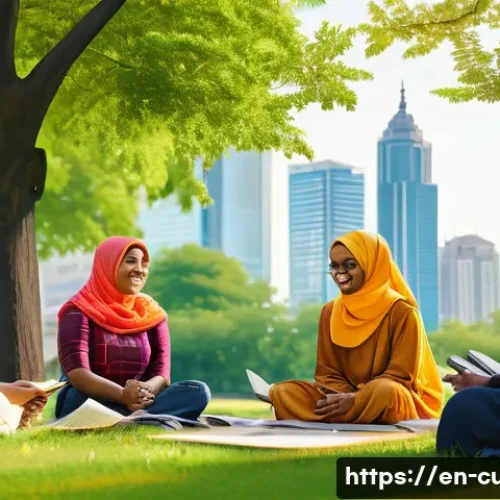
종교와 사회적 갈등 - A detailed, vibrant scene depicting an interfaith community dialogue in a modern urban park during d...

Religion has long played a significant role in shaping societies, influencing laws, customs, and interpersonal relationships. However, when different beliefs collide, social tensions and conflicts can arise, impacting communities at various levels.

종교와 사회적 갈등 관련 이미지 1

Understanding how religious differences contribute to these struggles is essential for fostering coexistence and peace. From historical clashes to modern-day debates, the interplay between faith and society remains a complex and evolving issue.

Let’s dive deeper into this fascinating topic and explore its many dimensions together!

Roots of Religious Disputes in Societies

Historical Foundations of Faith-Based Conflicts

Religious conflicts are rarely sudden; they often stem from deep historical roots. For instance, centuries-old disputes over sacred sites, theological doctrines, or territorial claims have ignited tensions that persist today.

When I dug into various cases, I noticed that many of these conflicts were fueled by a mixture of political power struggles and religious identity, making resolution particularly tricky.

Societies where religion is intertwined with governance tend to see these disputes magnified, as faith becomes a marker of loyalty or opposition. The historic Crusades or the sectarian violence in parts of the Middle East reveal how deeply embedded these clashes can be.

These past grievances often resurface, influencing modern social dynamics and community relationships.

Identity and Belonging: How Faith Shapes Social Groups

Religion often provides a strong sense of identity and belonging. When people see their faith as core to who they are, it naturally affects how they interact with others who hold different beliefs.

In my experience, this can create an “us versus them” mentality, especially in multi-religious societies where competition for resources or political influence exists.

This identity-based division can be subtle—expressed through social exclusion or cultural misunderstandings—or it can erupt into open hostility. Understanding that religious identity is not just about spiritual beliefs but also social belonging helps explain why tensions flare.

It’s not always about opposing religions per se, but about how communities perceive threats to their collective identity and way of life.

Societal Structures and the Role of Religion in Law

In many parts of the world, religion influences or directly shapes legal systems and societal norms. When laws reflect religious doctrines, minority groups may feel marginalized or discriminated against, leading to friction.

I’ve observed this especially in countries where blasphemy laws or restrictions on religious practices exist. The enforcement of such laws often triggers debates about human rights, freedom of expression, and equality, adding layers of complexity to social conflicts.

Even in secular societies, religious lobbying can affect legislation, shaping issues like education, marriage, and healthcare. This interplay between religious influence and law can either unify communities under shared values or divide them when those values exclude or oppress others.

Advertisement

Communication Barriers and Misunderstandings

The Language of Religion and Its Impact on Dialogue

Religious language is rich with symbolism and meaning, which can make interfaith communication challenging. When I’ve witnessed conversations between people of different faiths, misunderstandings often arise from interpreting sacred texts or rituals through unfamiliar cultural lenses.

What one group sees as a sacred tradition, another might perceive as alien or even threatening. These communication gaps can escalate tensions, as assumptions and stereotypes fill in the blanks.

Promoting religious literacy and encouraging open, empathetic dialogue is crucial for breaking down these barriers. When people take the time to understand the significance behind religious expressions, it fosters respect and reduces fear-based reactions.

The Role of Media in Shaping Religious Perceptions

Media coverage can dramatically influence how religious conflicts are perceived and understood by the broader public. From my observations, sensationalist reporting often amplifies divisions by focusing on violent incidents or extremist views, overshadowing the everyday peaceful coexistence that also exists.

Social media platforms, in particular, can become echo chambers where misinformation spreads rapidly, intensifying prejudices. On the flip side, responsible journalism and interfaith initiatives showcased in media can promote understanding and highlight common values.

The challenge lies in balancing the need to report conflicts with the responsibility to avoid inflaming tensions unnecessarily.

Educational Systems and Interfaith Understanding

Education plays a pivotal role in shaping attitudes toward religious diversity. When schools include comprehensive, unbiased religious education, students tend to develop greater empathy and critical thinking about faith-related issues.

From what I’ve seen in communities with inclusive curriculums, young people grow up appreciating pluralism rather than fearing differences. Conversely, education systems that promote a single religious viewpoint can inadvertently deepen divides by excluding or vilifying other faiths.

Supporting interfaith programs and encouraging dialogue among students from diverse backgrounds can create a foundation for peaceful coexistence in the future.

Advertisement

Political Influence and Religion in Conflict

Religion as a Tool for Political Mobilization

Politicians often leverage religious sentiments to rally support or consolidate power, sometimes at the expense of social harmony. I’ve noticed that in regions with weak institutions or ethnic diversity, religious rhetoric can become a powerful means of mobilizing voters or justifying policies.

This politicization of faith can inflame existing divisions or create new ones, especially when leaders frame conflicts in zero-sum terms. Understanding this dynamic is key to addressing the root causes of religious conflict, as it reveals how faith can be manipulated to serve political ends rather than spiritual ones.

International Relations and Religious Diplomacy

On the global stage, religion plays a nuanced role in diplomacy and conflict resolution. Countries sometimes use shared religious identities to build alliances or mediate disputes, while religious differences can also complicate international relations.

I recall instances where interfaith dialogue has helped ease tensions between nations, promoting peace and cooperation. However, religious nationalism and sectarianism often interfere with these efforts, making diplomacy a delicate balancing act.

Recognizing the diplomatic potential of religious leaders and institutions can be a valuable strategy in conflict-prone regions.

Impact of Legal Protections on Religious Minorities

Legal frameworks designed to protect religious freedoms can either mitigate or exacerbate conflicts. When governments enforce laws that ensure equal rights and protections for all religious groups, tensions tend to decrease.

From my research, places with strong anti-discrimination laws and mechanisms for religious accommodation generally experience fewer violent flare-ups.

Conversely, where such protections are weak or unevenly applied, minorities face greater risks of persecution or exclusion. Ensuring fair legal treatment and promoting inclusive policies are vital for reducing faith-based conflicts in diverse societies.

Advertisement

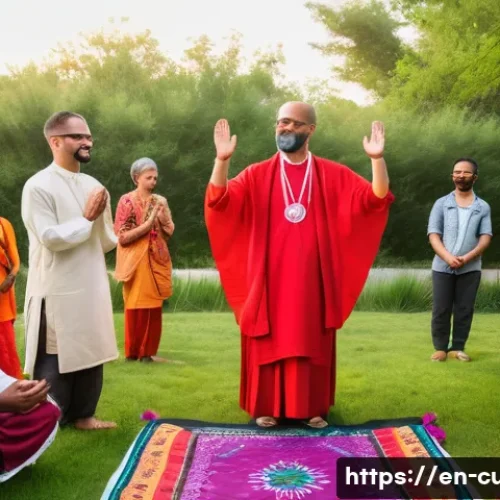
종교와 사회적 갈등 관련 이미지 2

Economic Factors Intersecting with Religious Tensions

Resource Competition and Religious Identities

Economic disparities often intertwine with religious differences, intensifying conflicts. I’ve seen how competition over jobs, land, or public services can take on a religious dimension when communities are segregated or unequal.

For example, a minority religious group dominating a particular trade might face resentment from majority groups struggling economically. These tensions are rarely just about money—they’re about perceived fairness, access, and respect.

Addressing economic inequality alongside religious tensions is essential for lasting peace.

Economic Development and Social Integration

Economic growth can promote social cohesion by providing opportunities that cut across religious lines. In my experience, when development projects include diverse community participation, they foster interaction and cooperation among different faith groups.

This shared interest in prosperity can reduce suspicion and build bridges. However, if economic benefits are unevenly distributed or exclude certain religious communities, grievances deepen.

Development policies that consciously integrate religious diversity tend to be more successful in promoting harmony.

Philanthropy and Interfaith Collaboration

Religious organizations often lead philanthropic efforts that bring communities together. I’ve been impressed by initiatives where faith groups collaborate on social services, disaster relief, or education, transcending doctrinal differences for common good.

These partnerships not only address practical needs but also build trust and understanding. Encouraging such interfaith cooperation can serve as a powerful antidote to conflict by highlighting shared values and humanity.

Advertisement

Social Movements and Changing Religious Landscapes

Secularization and Its Impact on Traditional Religious Conflicts

As societies modernize, secular ideas often challenge traditional religious authority, sometimes leading to friction. I’ve observed that secularization can create new tensions, especially where religious groups feel their influence waning or their values threatened.

This push-and-pull affects social norms, education, and lawmaking, generating debates that can fracture communities. However, secularism can also provide neutral ground for coexistence if managed inclusively, balancing respect for faith with pluralism.

Interfaith Movements and Grassroots Peacebuilding

Grassroots interfaith movements have emerged worldwide to counteract religious tensions. From what I’ve seen firsthand, these initiatives—ranging from community dialogues to joint cultural events—create spaces where people from different faiths connect beyond stereotypes.

These efforts humanize “the other” and build social capital that makes conflicts less likely. Encouraging local leadership and participation in such movements is crucial for sustainable peace.

Religious Revivalism and Its Social Effects

In some regions, religious revivalism has surged, emphasizing strict adherence to faith and often rejecting pluralism. While this resurgence can strengthen community bonds internally, it sometimes leads to exclusion or hostility toward outsiders.

I’ve noticed that revivalist movements frequently challenge secular or moderate religious groups, complicating social cohesion. Understanding the motivations behind revivalism—whether cultural preservation, political expression, or spiritual renewal—is key to addressing its societal impacts.

Advertisement

Comparative Overview of Religious Conflict Factors

Factor Description Impact on Conflict
Historical Grievances Long-standing disputes rooted in past events and memories Perpetuates mistrust and cyclical violence
Identity and Belonging Faith as a core element of social and personal identity Fosters in-group loyalty but can alienate others
Political Manipulation Use of religion to gain or maintain power Exacerbates divisions and legitimizes conflict
Economic Disparities Unequal distribution of resources among religious groups Triggers resentment and competition
Legal Protections Laws safeguarding or restricting religious freedoms Influences minority rights and social harmony
Communication Barriers Misunderstandings arising from religious language and symbols Leads to fear and stereotyping
Education and Media Information shaping perceptions about religions Can either reduce prejudice or deepen divides
Social Movements Efforts promoting either exclusivity or interfaith dialogue Shapes the trajectory toward conflict or peace
Advertisement

In Conclusion

Religious disputes are complex, deeply rooted in history, identity, and social dynamics. Understanding these layers helps us see beyond surface conflicts to the underlying causes. By fostering dialogue, promoting education, and ensuring fair legal protections, societies can work toward peaceful coexistence. Ultimately, addressing religious tensions requires empathy, inclusivity, and a commitment to shared humanity.

Advertisement

Useful Information to Keep in Mind

1. Historical context often shapes current religious conflicts, so knowing the background is crucial for meaningful solutions.

2. Religious identity goes beyond beliefs—it influences social belonging and can create divisions if not respected.

3. Political use of religion can escalate tensions, making it important to separate faith from power struggles.

4. Economic factors like inequality often overlap with religious differences, so addressing both is key to peace.

5. Education and media play vital roles in shaping perceptions and can either bridge divides or deepen them.

Advertisement

Key Takeaways

Religious conflicts are rarely about faith alone; they intertwine with historical grievances, social identities, political agendas, and economic realities. Effective conflict resolution depends on recognizing these interconnected factors and promoting inclusive dialogue, fair legal frameworks, and equitable development. Encouraging interfaith understanding and cooperation offers a path toward harmony and lasting peace in diverse societies.

Frequently Asked Questions (FAQ) 📖

Q: How do religious differences lead to social tensions and conflicts?

A: Religious differences can become sources of social tension when beliefs and practices clash, often because they shape core values and identities. When one group feels their faith is threatened or disrespected by another, it can spark misunderstandings, fear, or hostility.
Historically, this has led to conflicts ranging from local disputes to large-scale wars. Even today, such tensions can surface in debates over laws, education, or public symbols.
The key is that religion often intertwines with cultural and political factors, making conflicts more complex than just differing beliefs.

Q: Can understanding religious diversity help reduce conflicts?

A: Absolutely. From my experience, gaining insight into different faiths fosters empathy and breaks down stereotypes that fuel fear and division. When communities engage in open dialogue and education about each other’s beliefs, it creates common ground and mutual respect.
This doesn’t mean everyone must agree on theology, but recognizing shared human values can ease tensions. Many peace-building efforts rely on interfaith initiatives, which I’ve seen work effectively by promoting collaboration on social issues rather than focusing solely on differences.

Q: What role does religion play in shaping laws and social customs today?

A: Religion continues to influence laws and customs in many societies, shaping moral frameworks and social norms. For example, issues like marriage, dietary rules, or holidays often have religious roots that impact legislation and everyday life.
However, in pluralistic societies, balancing religious traditions with secular laws can be challenging, leading to debates over religious freedom and equality.
From what I’ve observed, the healthiest approach is one that respects religious practices while ensuring that no single belief system dominates or marginalizes others, maintaining social harmony.

📚 References


➤ Link

– Google Search

➤ Link

– Bing Search

➤ Link

– Google Search

➤ Link

– Bing Search

➤ Link

– Google Search

➤ Link

– Bing Search

➤ Link

– Google Search

➤ Link

– Bing Search

➤ Link

– Google Search

➤ Link

– Bing Search

➤ Link

– Google Search

➤ Link

– Bing Search

➤ Link

– Google Search

➤ Link

– Bing Search
Advertisement