7 Surprising Ways Cult Research Groups Are Shaping Academic Thought Today

webmaster

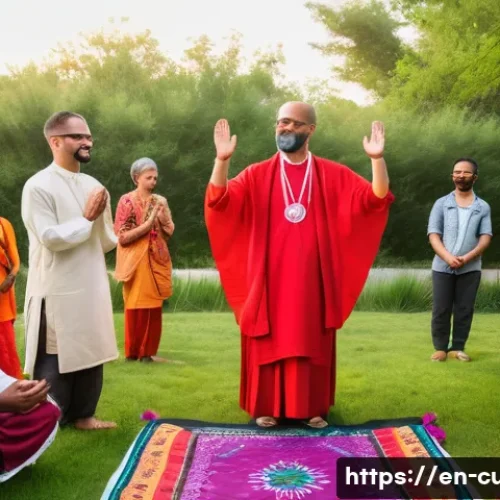
이단 연구 단체와 학문적 기여 - A diverse group of people gathered in a serene outdoor setting, participating in a collective spirit...

Exploring the intersection of new religious movements and academic scholarship reveals a fascinating dynamic where belief systems often challenge conventional thinking while contributing to broader cultural and sociological insights.

이단 연구 단체와 학문적 기여 관련 이미지 1

These groups, sometimes labeled as cults, provoke deep questions about faith, identity, and social influence that scholars strive to understand with nuance.

Through rigorous study, researchers uncover patterns of devotion, leadership, and community that expand our understanding of human spirituality. Despite controversies, the academic examination of these movements enriches fields like anthropology, psychology, and religious studies.

Let’s dive into the details and uncover what these groups really mean in today’s world. I’ll make sure you get a clear and insightful perspective!

Understanding the Social Structures Within Emerging Spiritual Groups

Leadership Styles and Their Impact on Group Dynamics

The way leadership manifests in new religious movements can vary dramatically, from charismatic single leaders to more democratic councils. I’ve noticed that charismatic leadership often attracts intense loyalty but can also create vulnerabilities, especially when the leader’s authority goes unquestioned.

On the other hand, groups with collective leadership tend to foster a sense of shared responsibility, which sometimes results in more sustainable communities.

Observing these different models, it’s clear that leadership style not only shapes group cohesion but also affects how these movements interact with outsiders and manage internal conflicts.

Community Building and Identity Formation

One of the most fascinating aspects I’ve encountered is how these groups craft a unique sense of belonging. Members often adopt specific rituals, language, and symbols that reinforce their identity and separate them from mainstream society.

This boundary-making helps solidify the group’s internal culture and offers members a refuge from the alienation they might feel elsewhere. I’ve seen how this process can empower individuals, giving them a renewed sense of purpose and connection, but it can also lead to challenges when members attempt to reintegrate into broader society.

Social Influence and External Perceptions

It’s intriguing to consider how these movements are perceived by the public and authorities. Often labeled as “cults,” these groups face suspicion and stigma, which can exacerbate tensions and misunderstandings.

From my perspective, this external pressure sometimes drives movements further underground or strengthens their insularity. Yet, it also sparks important conversations about religious freedom, social control, and the boundaries of acceptable belief.

Understanding this delicate balance is key to appreciating the complex social roles these groups play.

Advertisement

Psychological Patterns Observed in Devotee Behavior

Motivations Behind Joining Alternative Spiritual Movements

Having talked to former members and studied various case histories, it’s evident that motivations are multifaceted. People often seek meaning, community, or healing that they find lacking in conventional religious or social settings.

Some are drawn by the promise of personal transformation, while others pursue answers to existential questions. What struck me most is how deeply personal these journeys are—far beyond simplistic stereotypes of brainwashing or manipulation.

The emotional and psychological needs met by these groups are genuine, even if the methods or beliefs seem unconventional.

Rituals and Their Psychological Effects

Rituals play a crucial role in shaping members’ psychological states. Through repetitive ceremonies, chanting, or meditation, individuals often experience altered states of consciousness or profound emotional release.

From my experience, these practices can foster a sense of peace, community bonding, and heightened spirituality. However, it’s also worth noting that the intensity of rituals can sometimes contribute to dependency on the group or leader, making it harder for members to leave.

The dual nature of ritual is a key area where psychological insight helps unpack the lived experience of devotees.

Leadership Influence and Groupthink Dynamics

I’ve observed that leaders who cultivate strong emotional ties and promise exclusive access to truth can heavily influence members’ thinking. This often results in a groupthink mentality, where dissent is discouraged, and critical thinking is sidelined.

While this can create a powerful collective identity, it sometimes leads to problematic decision-making or isolation from reality. Understanding these dynamics sheds light on why some members remain loyal despite external controversies or internal doubts.

Advertisement

Anthropological Insights Into Ritual and Symbolism

Cross-Cultural Comparisons of Ritual Practices

From an anthropological viewpoint, many rituals in new religious movements draw from ancient or global traditions, repurposed to fit contemporary contexts.

I’ve found it fascinating to trace how symbols and ceremonies evolve, blending elements from various cultures to create something unique yet familiar.

This cultural bricolage not only enriches the spiritual experience but also demonstrates the adaptability of human belief systems. It’s a reminder that spirituality is fluid and often shaped by ongoing intercultural dialogue.

Symbolism as a Tool for Meaning-Making

Symbols in these groups carry layered meanings that resonate deeply with members. Whether it’s a particular color, gesture, or object, these symbols act as anchors for complex ideas about identity, morality, and cosmology.

I’ve seen how symbols can unify members, offering a shared language that transcends words. At the same time, the symbolism can be deliberately opaque to outsiders, reinforcing group boundaries.

This dual function of symbols fascinates me because it highlights the interplay between inclusion and exclusion in human communities.

Rituals as Social Glue

Rituals don’t just have spiritual significance—they also serve to strengthen social bonds. In my observations, group ceremonies often coincide with moments of transition, conflict resolution, or celebration, helping members reaffirm their commitment to one another.

This social glue effect is vital for maintaining group stability, especially in movements facing external pressures. The performative aspect of rituals also communicates group values to newcomers, shaping the collective identity in real-time.

Advertisement

Legal and Ethical Challenges Surrounding Alternative Faiths

Balancing Religious Freedom and Public Safety

Navigating the legal landscape around new religious movements is a tricky business. On one hand, freedom of belief is a cornerstone of democratic societies, but on the other, concerns about abuse, fraud, or harm cannot be ignored.

I’ve come across numerous cases where courts had to weigh these competing interests carefully. What’s clear is that blanket judgments rarely serve justice; instead, nuanced understanding and case-by-case evaluation are essential.

This tension underscores the ongoing challenge in protecting rights while ensuring accountability.

Ethical Considerations in Academic Study

이단 연구 단체와 학문적 기여 관련 이미지 2

Studying these groups ethically requires sensitivity and respect for participants’ beliefs and privacy. From my experience, researchers who approach with genuine curiosity and empathy gain deeper insights and build trust, which is crucial for accurate data collection.

There’s always a risk of sensationalizing or misrepresenting members, which not only harms individuals but also undermines scholarly credibility. Ethical research practices thus become a cornerstone for producing work that contributes meaningfully to public understanding.

Controversies and Misconceptions

Many alternative faiths are misunderstood or misrepresented in media and public discourse. I’ve noticed how sensational headlines often overshadow the complex realities of these movements, fueling fear and prejudice.

This can lead to social ostracism or even legal crackdowns based on incomplete information. Addressing these misconceptions requires both scholars and the public to engage critically and compassionately with the subject matter, recognizing the diversity and humanity within these groups.

Advertisement

The Role of Media in Shaping Public Perception

Media Portrayals and Their Effects

The media’s depiction of new religious movements often shapes public opinion dramatically. From my perspective, sensationalized stories emphasizing danger or deviance attract attention but rarely capture nuance.

This can create a feedback loop where fear drives coverage, which in turn deepens stigma. I’ve seen firsthand how this affects members’ lives, sometimes isolating them further or provoking backlash.

Encouraging more balanced reporting is vital to fostering informed discussions.

Social Media as a Platform for Outreach and Critique

Interestingly, social media has become a double-edged sword for these groups. On one side, it provides a platform to share beliefs, recruit members, and build community beyond geographical limits.

On the other, it opens them up to public scrutiny, criticism, and sometimes harassment. I find this dynamic fascinating because it reflects broader trends in how technology influences religious expression and identity formation in the digital age.

Documentaries and Investigative Journalism

Documentaries and investigative reports can offer deep dives into specific movements, providing rich detail and human stories. However, their impact depends heavily on the creators’ approach.

When done thoughtfully, these works can educate and humanize; when sensationalized, they risk reinforcing stereotypes. I’ve learned that critical media literacy is essential for audiences to navigate these portrayals and separate fact from hype.

Advertisement

Comparative Analysis of New Spiritual Movements Across Regions

Patterns of Growth and Decline

Looking across different regions, it’s clear that new religious movements experience varying trajectories. Some flourish rapidly in urban centers with diverse populations, while others remain small and localized.

Factors like social upheaval, economic conditions, and cultural openness play significant roles. Personally, I’ve observed that movements offering clear answers during times of uncertainty tend to attract more followers, but sustaining growth requires adaptability and internal cohesion.

Regional Variations in Belief and Practice

Beliefs and rituals often reflect the cultural backdrop of their environment. For example, movements in Western countries might emphasize individual spirituality and self-empowerment, while those in Asia may integrate more communal and ancestral elements.

This regional flavor shapes everything from theology to daily practices. Understanding these differences helps avoid overly broad generalizations and highlights the richness of global spiritual diversity.

Challenges in Cross-Cultural Research

Conducting research across cultures brings unique challenges, including language barriers, differing social norms, and ethical dilemmas. From my experience, building local partnerships and showing cultural humility are essential strategies.

Researchers must remain open to learning and avoid imposing their own frameworks. This sensitivity not only improves the quality of research but also respects the dignity of the communities studied.

Aspect Characteristics Implications
Leadership Style Charismatic vs. Collective Influences group cohesion, decision-making, and sustainability
Community Identity Rituals, Symbols, Language Reinforces belonging, separates from mainstream culture
Psychological Effects Motivation, Ritual Impact, Groupthink Shapes member loyalty, emotional well-being, critical thinking
Legal/Ethical Issues Religious freedom, Abuse concerns Requires balanced protection and accountability
Media Influence Sensationalism vs. Balanced Reporting Affects public perception and member experiences
Regional Variations Cultural adaptation, Growth patterns Reflects diversity and challenges in global research
Advertisement

Conclusion

Exploring the social, psychological, and cultural aspects of emerging spiritual groups reveals a complex tapestry of human belief and community. These movements navigate unique challenges while offering meaningful experiences to their members. Understanding their dynamics helps foster greater empathy and informed dialogue. As society continues to evolve, so too will the roles and perceptions of these alternative faiths.

Advertisement

Useful Information to Know

1. Leadership styles within spiritual groups range widely, affecting how members relate and how groups sustain themselves over time.

2. Rituals and symbols play a critical role in creating a sense of belonging and identity among members.

3. Psychological motivations for joining such groups often stem from genuine needs for meaning, healing, or community.

4. Legal protections for religious freedom must be carefully balanced against concerns about potential harm or abuse.

5. Media representations greatly influence public opinion and can either stigmatize or humanize these groups.

Advertisement

Key Takeaways

Emerging spiritual movements are diverse and shaped by leadership, cultural context, and member experiences. Their rituals and symbols foster strong community bonds but can also contribute to insularity. Psychological factors, including motivations and group dynamics, are central to understanding member behavior. Legal and ethical considerations require nuanced approaches to protect rights while addressing risks. Lastly, media and social platforms play a powerful role in shaping both perception and outreach, highlighting the importance of balanced, informed coverage.

Frequently Asked Questions (FAQ) 📖

Q: How do new religious movements differ from traditional religions?

A: New religious movements (NRMs) often emerge as fresh interpretations or alternatives to established faiths, usually arising in response to social, cultural, or spiritual needs unmet by mainstream religions.
Unlike traditional religions with centuries of history and widely accepted doctrines, NRMs can be more fluid in beliefs and practices, sometimes centered around charismatic leaders or unique rituals.
However, they still address fundamental human questions about existence, purpose, and community, which is why scholars find them so compelling to study.

Q: Why are some new religious movements labeled as cults, and is this label accurate?

A: The term “cult” is frequently used in popular discourse to describe NRMs that seem unconventional or controversial, often with a negative connotation implying manipulation or harm.
However, academics caution against this blanket labeling because it oversimplifies complex groups and can stigmatize members unfairly. Researchers instead focus on understanding the social dynamics, belief systems, and leadership structures without judgment, recognizing that many NRMs function as genuine spiritual communities despite public suspicion.

Q: What can academic research on new religious movements teach us about human spirituality and society?

A: Studying NRMs offers rich insights into how people seek meaning, belonging, and identity beyond traditional frameworks. It reveals patterns of devotion, leadership influence, and community building that reflect broader social and psychological processes.
Through rigorous research, scholars uncover how these movements respond to contemporary challenges, contribute to cultural diversity, and shape individual and collective spiritual experiences, ultimately deepening our understanding of faith as a dynamic, evolving aspect of human life.

📚 References


➤ Link

– Google Search

➤ Link

– Bing Search

➤ Link

– Google Search

➤ Link

– Bing Search

➤ Link

– Google Search

➤ Link

– Bing Search

➤ Link

– Google Search

➤ Link

– Bing Search

➤ Link

– Google Search

➤ Link

– Bing Search

➤ Link

– Google Search

➤ Link

– Bing Search

➤ Link

– Google Search

➤ Link

– Bing Search
Advertisement